


Designing Curriculum That Engages, Equips, and Inspires
– By Chad Doering
A strong theatre program is more than a set of electives or extracurricular productions. It is a dynamic, interdisciplinary learning experience that builds students’ confidence, creativity, collaboration, and communication skills. In both domestic and international school settings, a well-designed theatre curriculum can support academic growth, emotional intelligence, and real-world readiness. But to achieve this, schools need more than a one-size-fits-all program. They need curriculum tailored to their students, culture, and educational goals.
Why Purposeful Curriculum Design Matters
Every school community is different. The needs of an international school in Asia will differ from a large public high school in the United States. A custom-designed theatre curriculum ensures alignment with each school’s mission, values, and resources. It also allows for thoughtful integration with broader academic goals, such as intercultural understanding, social-emotional learning, and/or 21st-century skill development.
CREATING | PERFORMING | RESPONDING | CONNECTING
The EdTA Theatre Curriculum Framework Project
Custom curriculum design allows theatre programs to remain relevant, flexible, and student-centered. By aligning formal theatre coursework directly with after-school activities, this strategic planning accommodates multiple learning pathways across all stages of new or existing program development.
Core Areas of Theatre Education
A comprehensive theatre curriculum offers students the opportunity to explore a variety of disciplines. Effective programs include course outlines, units, and assessments in the following core areas:

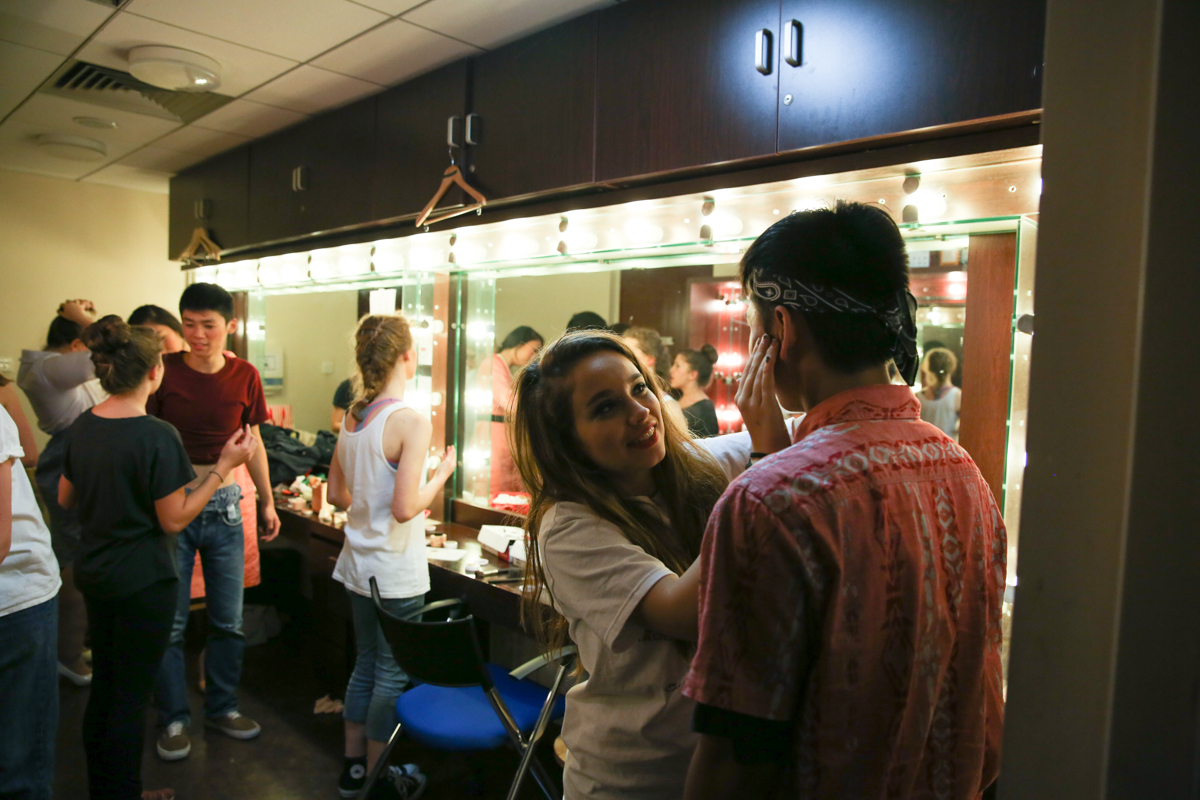
- Acting and Performance
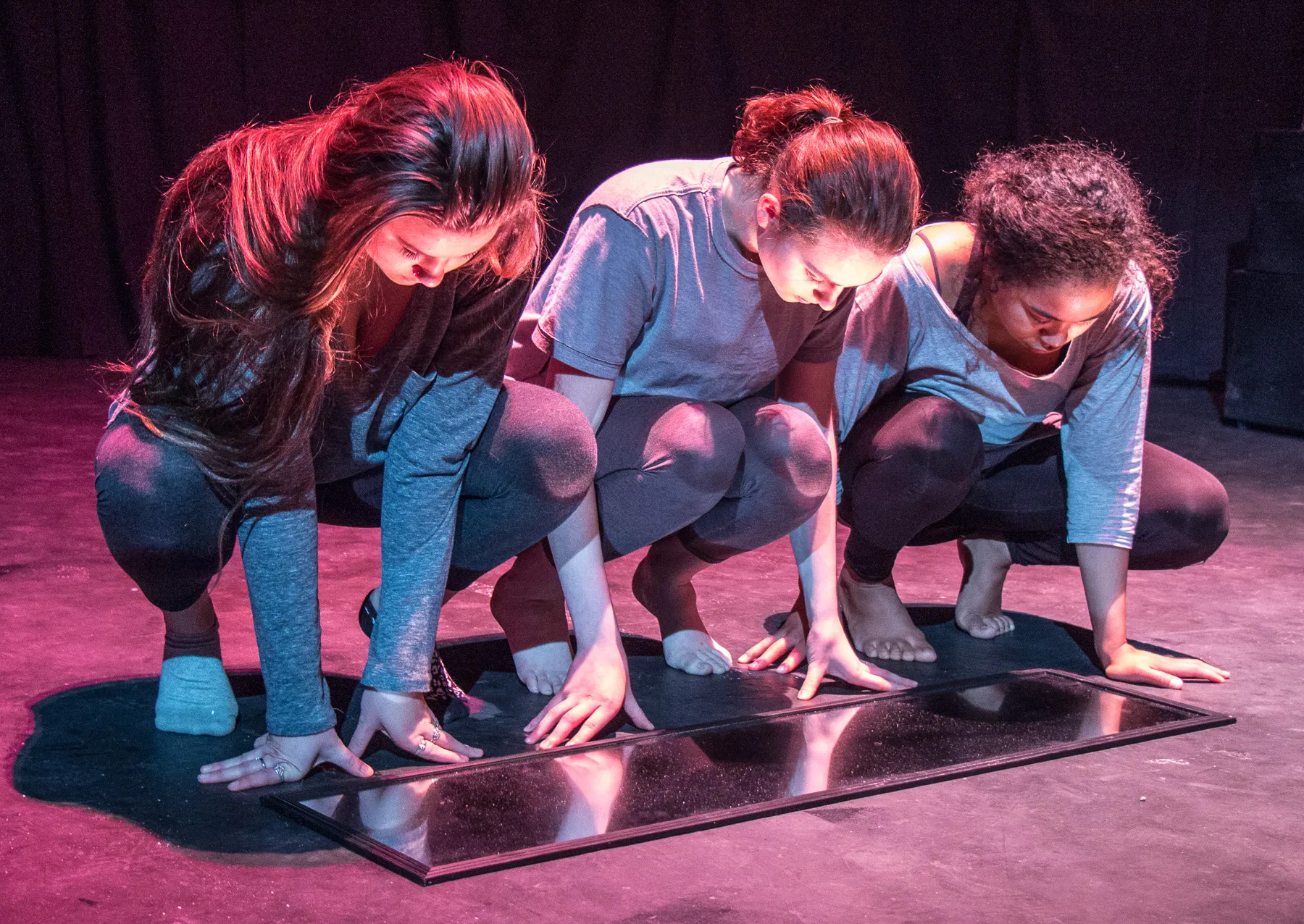
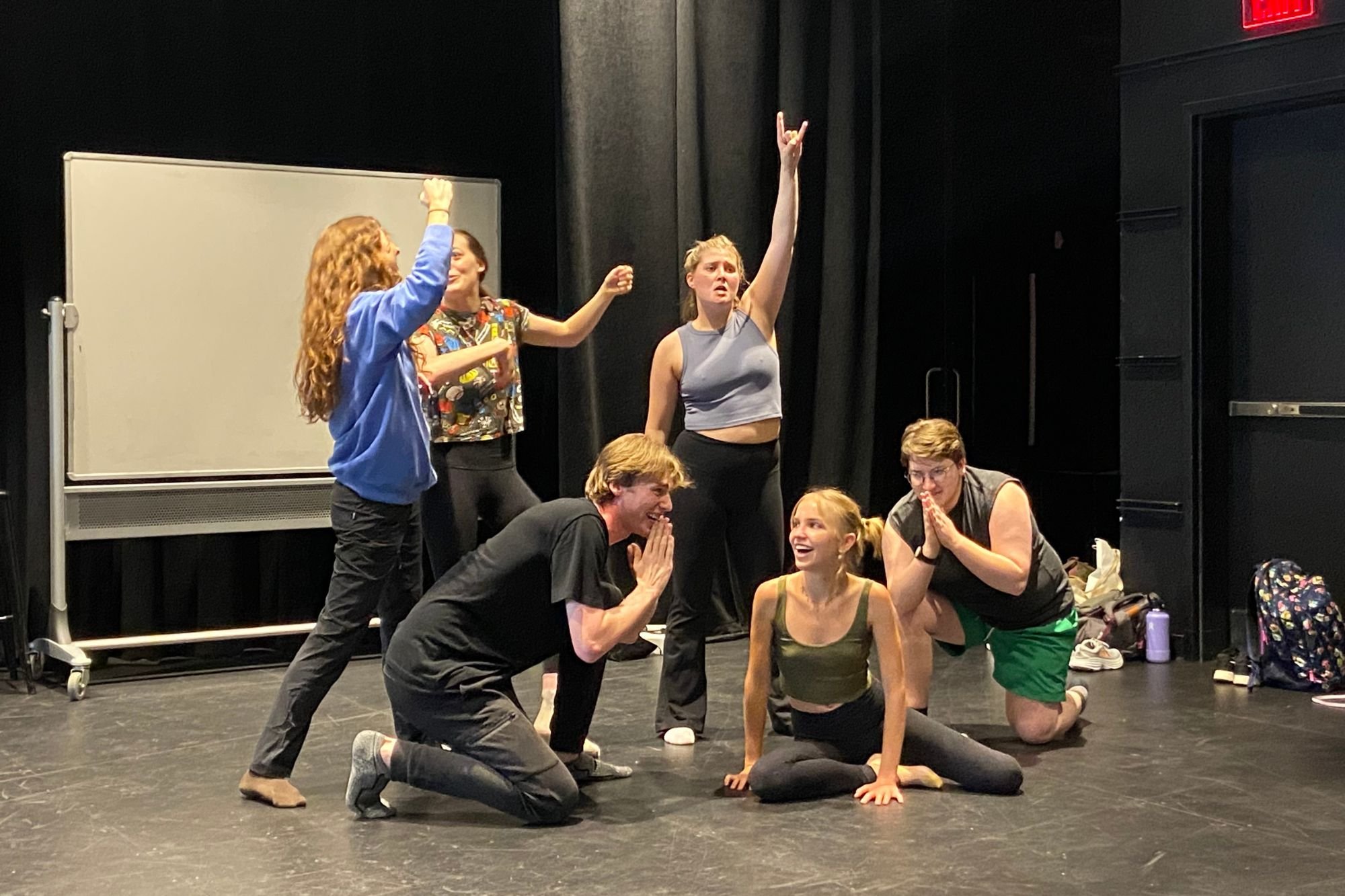
Courses in acting and ensemble work help students build voice, movement, and character development skills. Students engage in monologue, scene study, improvisation, and devised work whilst employing various methods of acting. - Script Analysis and Dramaturgy
Courses in script analysis and dramaturgy teach students how to read plays critically and contextually. Students explore structure, theme, genre, and character, while researching historical and cultural frameworks to support interpretation and production choices. - Directing
Courses in directing introduce students to the fundamentals of staging, blocking, and visual storytelling. Students learn to interpret scripts, develop a production concept, and collaborate with actors and designers to bring a unified vision to life. - Playwriting and Devising
Courses in playwriting and devising guide students in crafting original works through individual and ensemble-based storytelling. Students learn dramatic structure, dialogue, and character creation while exploring personal voice and collaborative creation processes. - Design and Technical Theatre
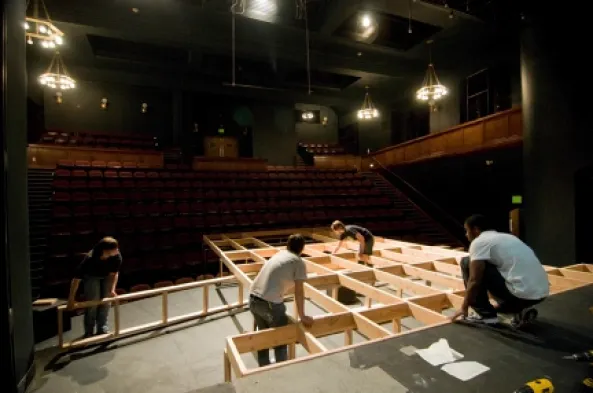
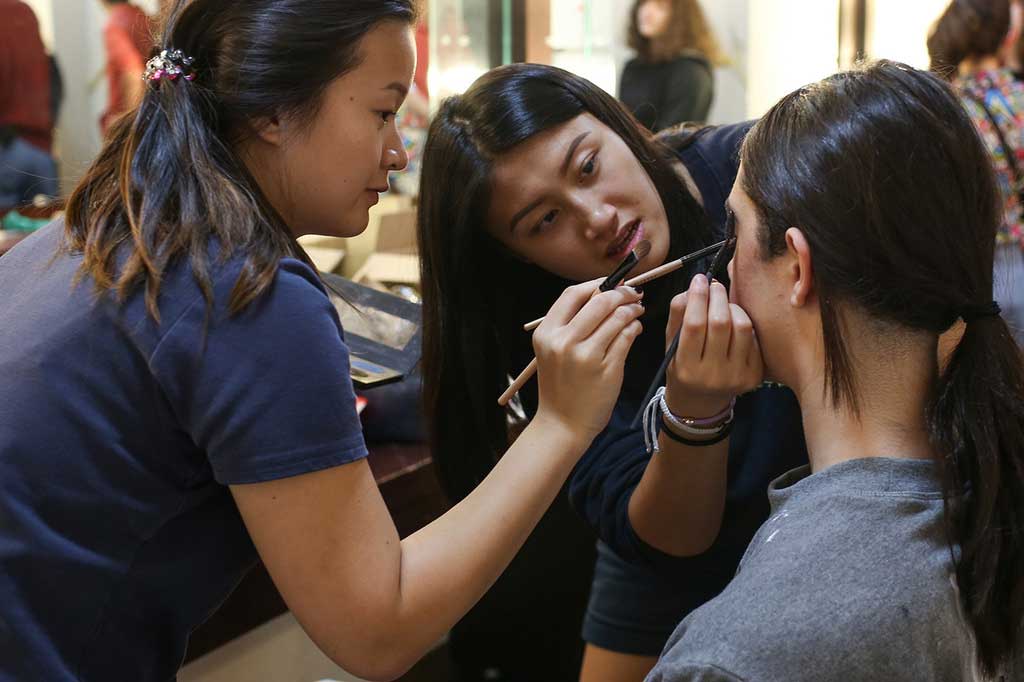
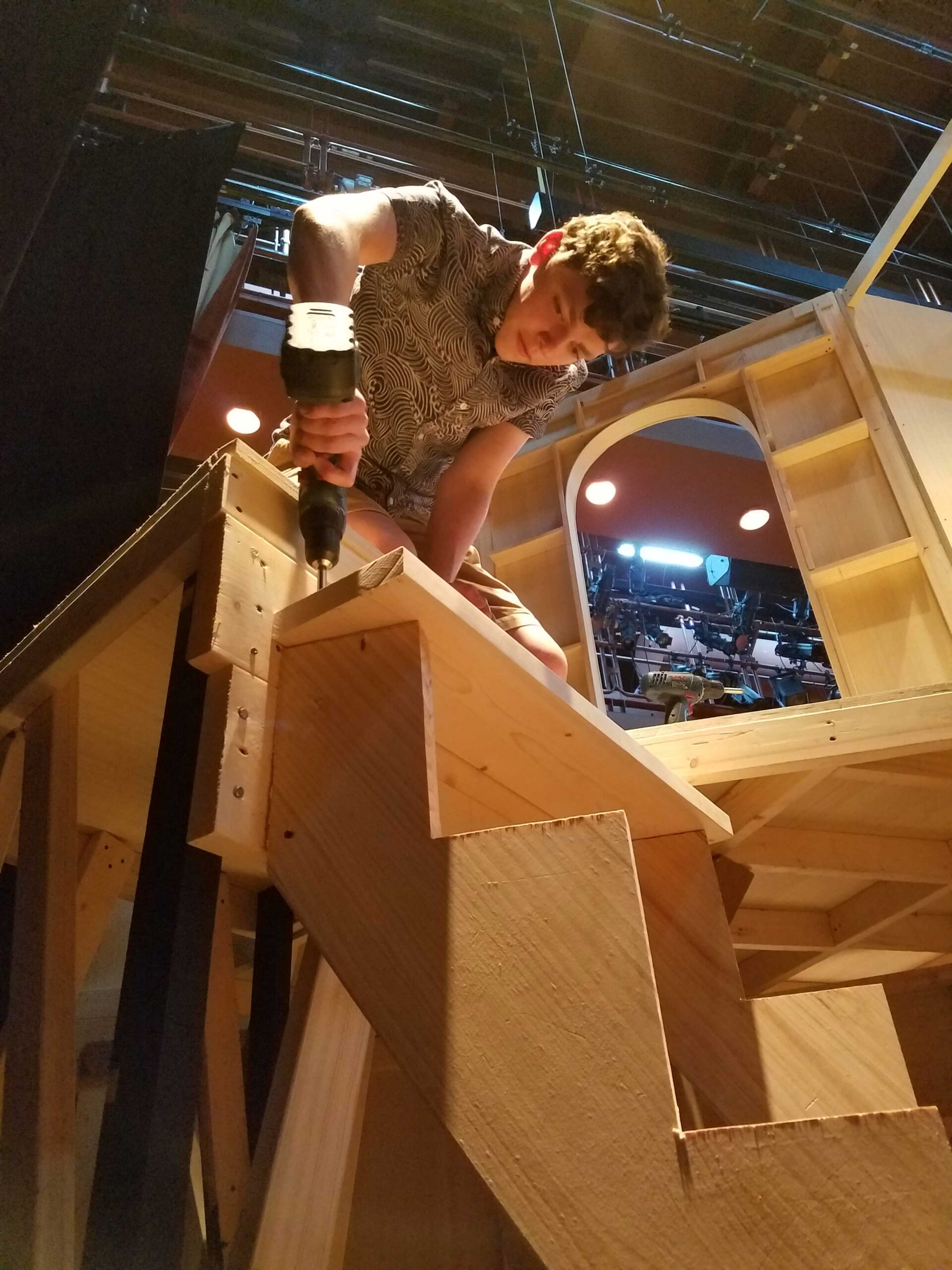
Courses in design and technical theatre develop students’ skills in set, costume, lighting, sound, and props. Students learn the principles of stagecraft and gain hands-on experience in building, designing, and running live productions. - Theatre History and Literature
Courses in theatre history and literature expose students to global theatre traditions, movements, and key texts. Students study influential playwrights and performance styles while examining the cultural, political, and artistic forces that shape theatrical expression. - Theatre Criticism and Aesthetics
Courses in theatre criticism and aesthetics teach students how to observe, evaluate, and reflect on live performance. Students build vocabulary to articulate artistic choices and engage in critical discourse around meaning, impact, and audience experience. - Collaboration and Ensemble Practice
Courses in collaboration and ensemble practice emphasize group dynamics, trust-building, and creative problem-solving. Students cultivate interpersonal skills essential to theatre-making, developing a strong sense of community, accountability, and shared artistic purpose. - Leadership and Communication
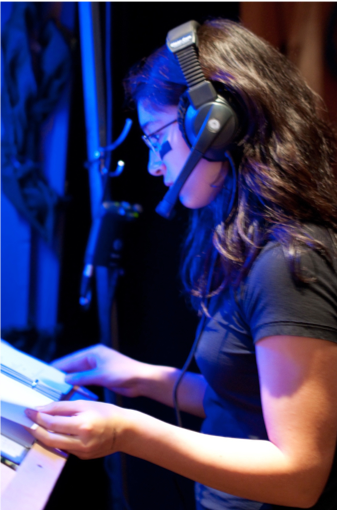
Courses in leadership and communications prepare students for vital offstage roles such as stage management, marketing, and public relations. Students develop organizational and interpersonal skills while learning to lead rehearsals, coordinate production logistics, and communicate effectively with audiences, school administrators, and the wider community.
Essentials of A Co-curricular Theatre Program
A strong co-curricular theatre program extends learning beyond the classroom through performance, authorship, leadership, and community engagement. Key components include musicals, plays, student-written one-acts, theatre festivals, and honorary programs—all of which provide students with real-world experience, creative ownership, and opportunities for recognition.
Musical Theatre
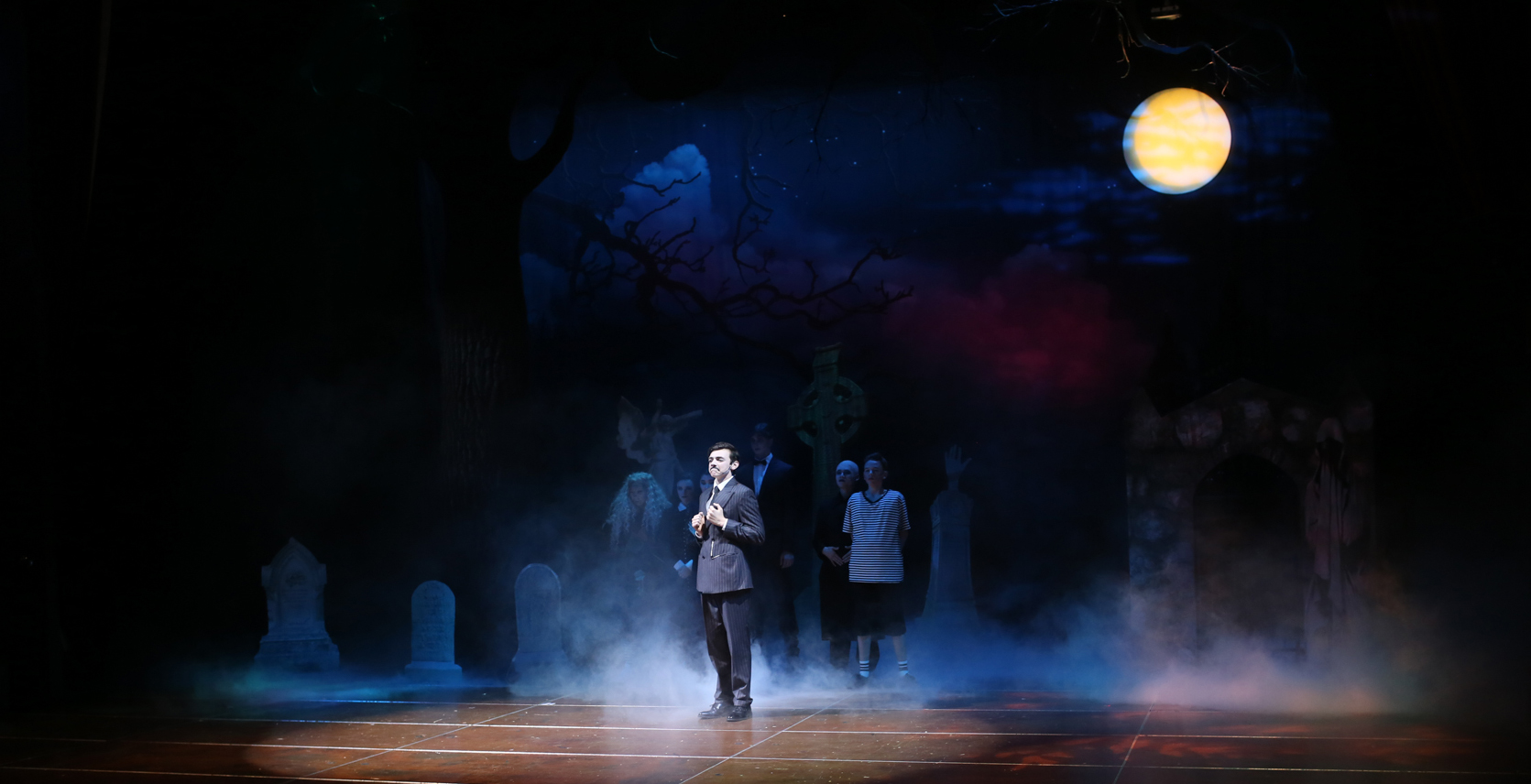
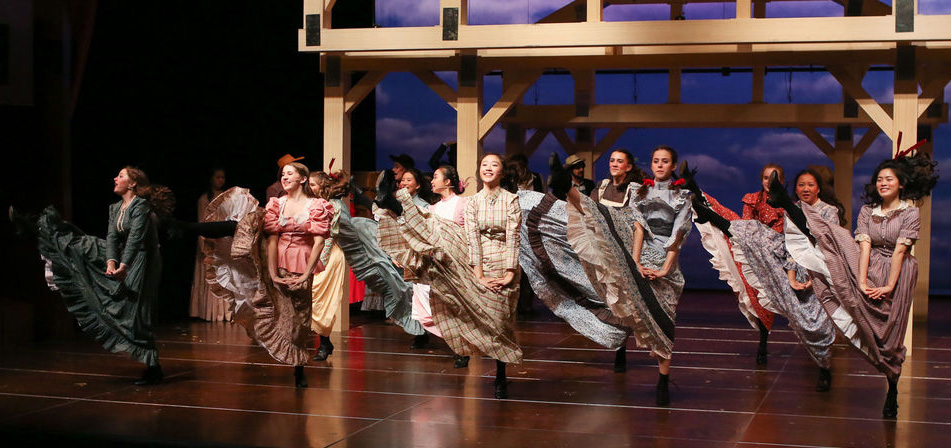
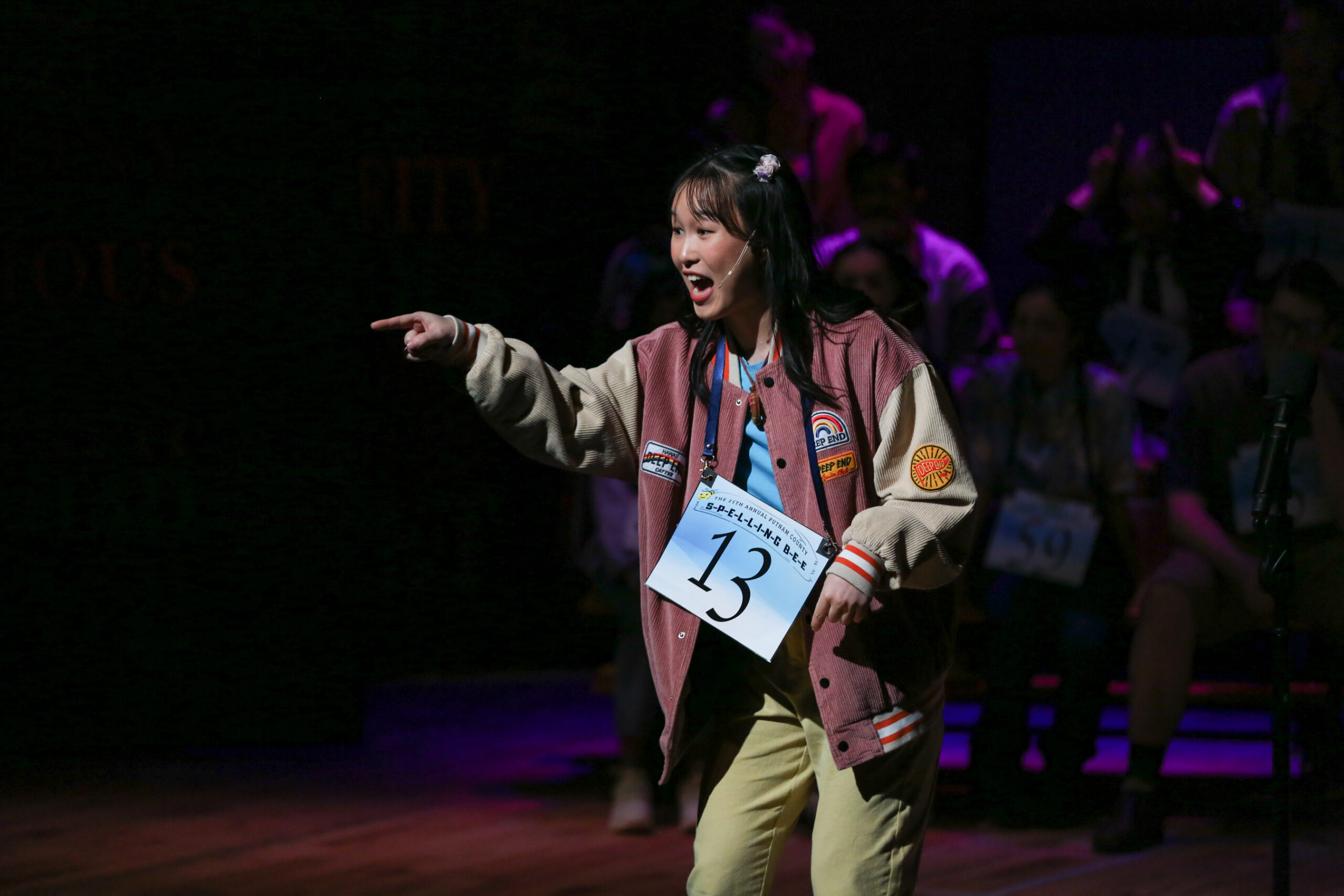
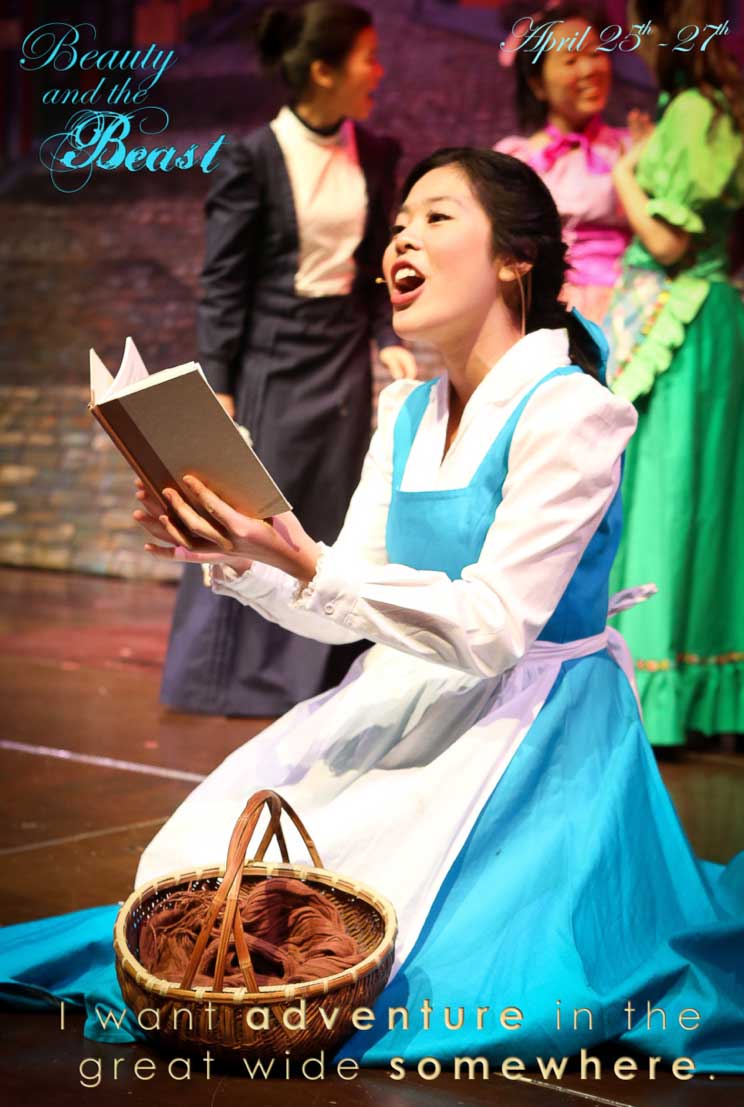
A well-rounded program explores the unique world of musical theatre. Musical productions provide an opportunity for students to learn about the various components of a musical, including character development through song, storytelling through choreography, and the integration of live music. Through collaboration with music and dance departments, students gain or refine skills in vocal technique, stage movement, and ensemble performance. Musical productions also offer a space for interdisciplinary collaboration, strengthening a school’s performing arts program.
Plays
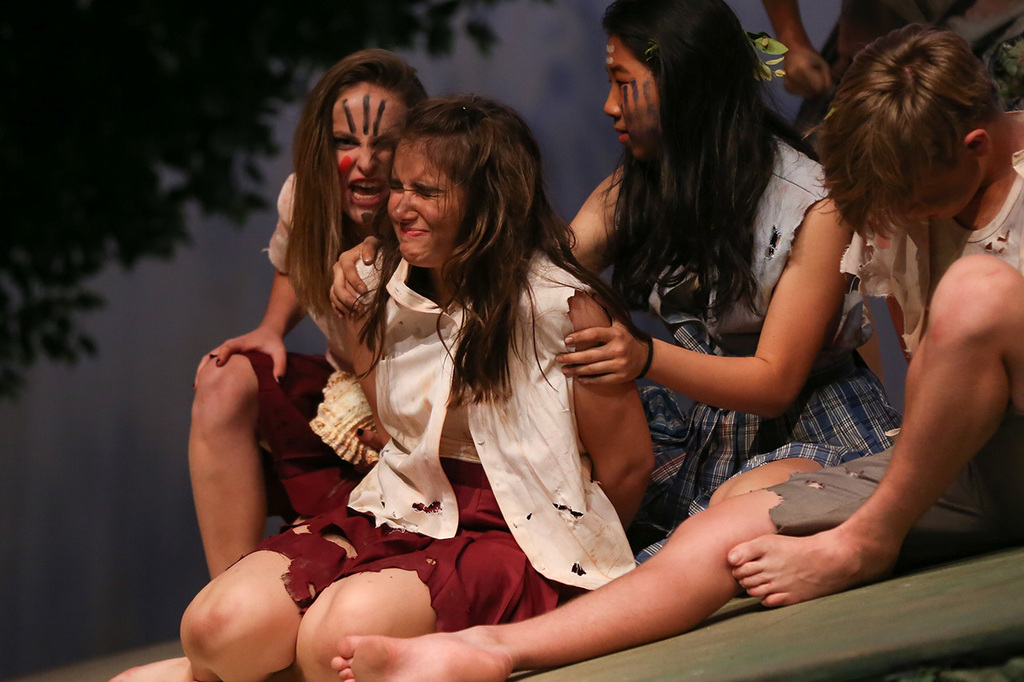
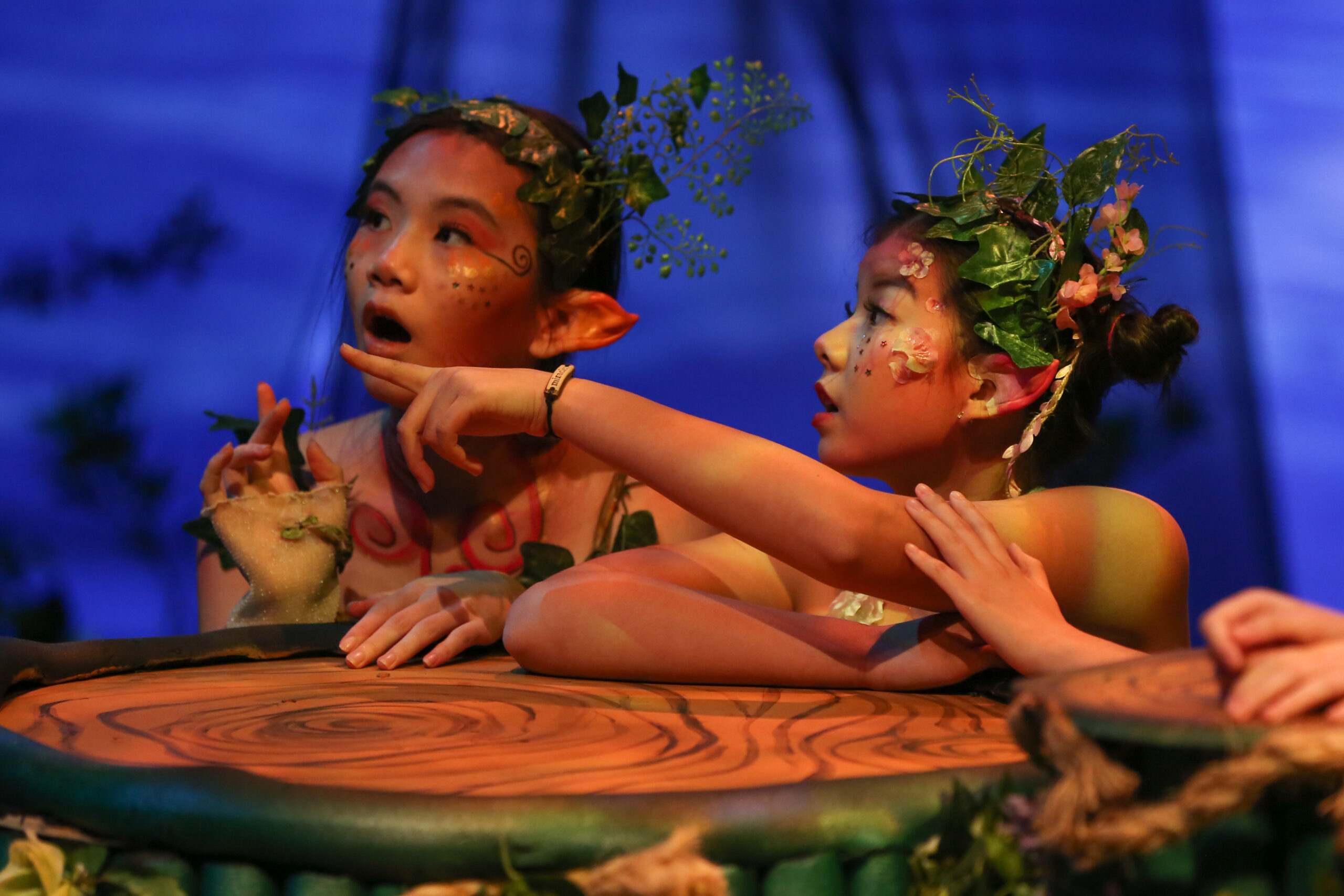
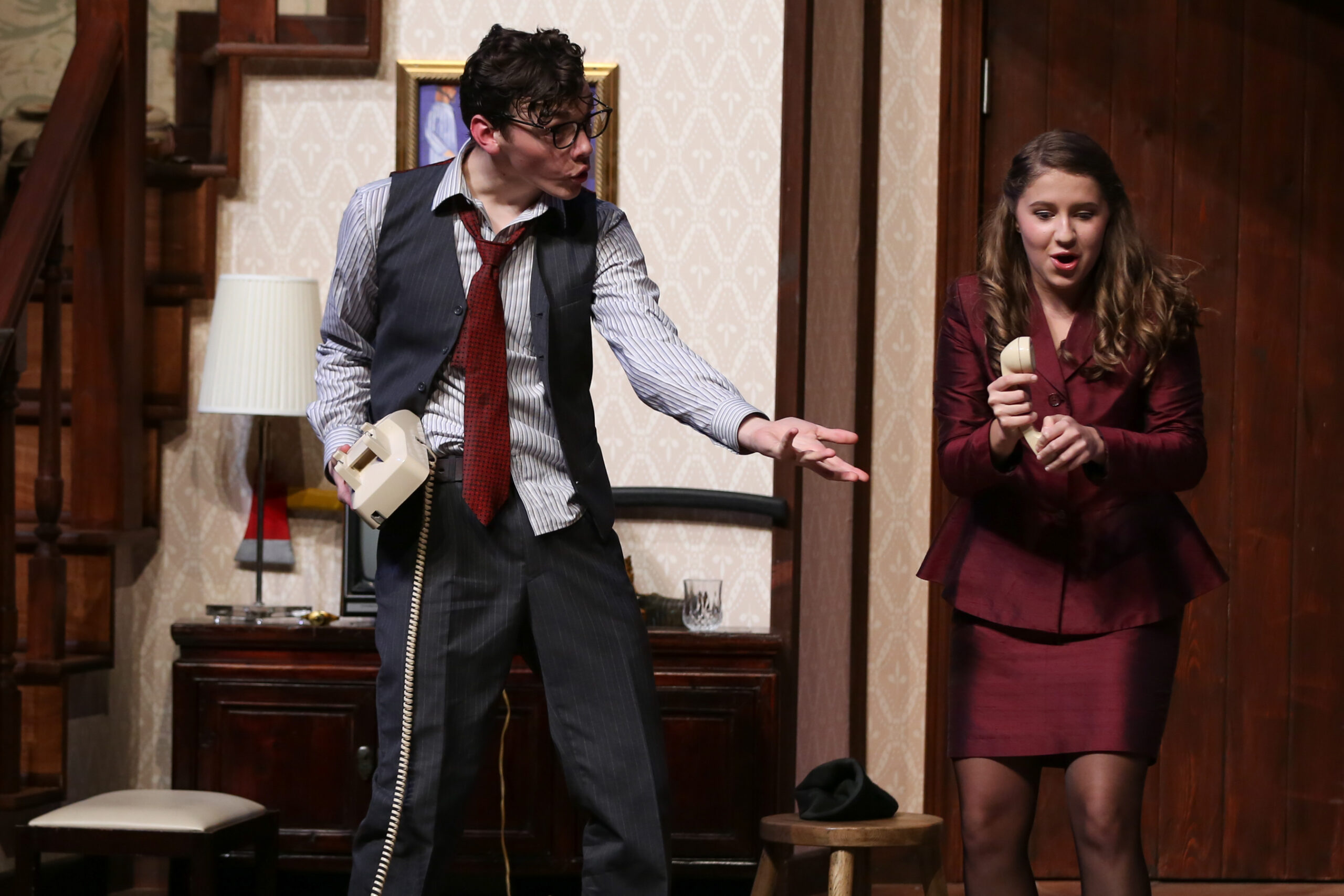
Equally important is the straight-play, which allows theatre educators to focus more deeply on acting, storytelling, and theatrical design. Without the additional demands of music and choreography, students can engage more intensively with dramatic literature, character development, plot, theme, and performance technique. Plays also offer an extraordinary range of genres and traditions, including comedy, farce, drama, magical realism, surrealism, classical Greek theatre, Shakespearean comedy and tragedy, and contemporary works. Directors can select plays that examine issues relevant to students and their communities, fostering critical thinking, empathy, and meaningful dialogue through performance.
Student One-Act Play Series

Another key curricular feature is a student one-act play series. In this model, students write, cast, and direct their own original short one-act plays. This page-to-stage process provides a full-circle experience in authorship, leadership, and design. It fosters ownership and pride, deepens understanding of dramatic structure, and encourages peer collaboration. These projects often become signature events that celebrate student voice and creativity.
Theatre Festivals and Community Engagement
Participating in or hosting school theatre festivals allows students to showcase their work while connecting with peers from other schools and communities. Often centered around a unifying theme, these festivals combine performances with workshops led by theatre professionals, exposing students to new techniques, artistic perspectives, and collaborative experiences. When intentionally aligned with curricular objectives, festivals reinforce performance, technical theatre, collaboration, and reflective practice. Programs such as the International Schools Theatre Association (ISTA), the Asia Pacific Activities Conference (APAC), and regional festivals around the world including Drama Victoria (Australia) and the Milwaukee High School Theatre Festival (USA) provide excellent models for this approach.
Honorary Theatre Program
Act Well Y0ur Part, There All The Honour Lies.
– Alexander Pope
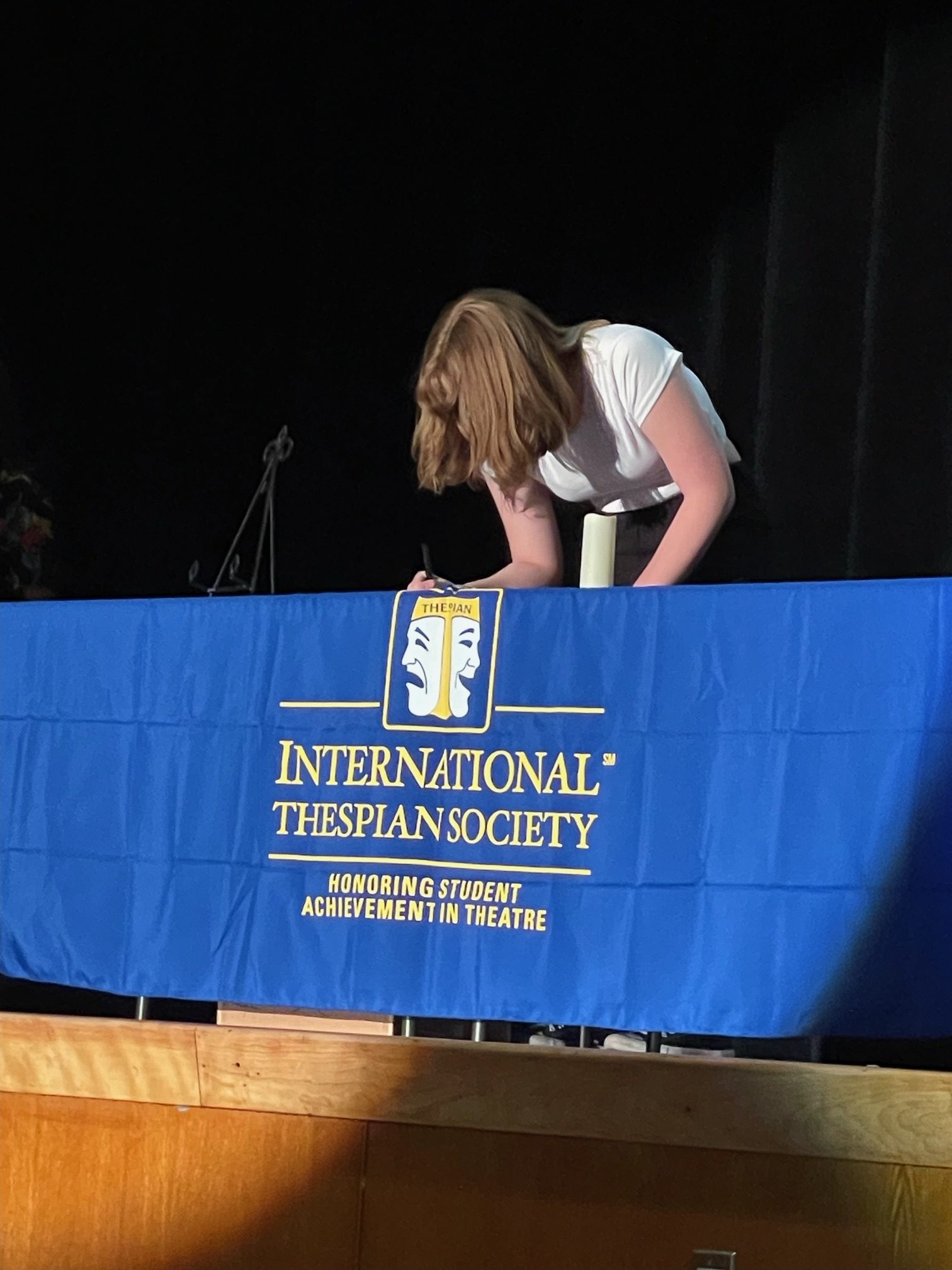
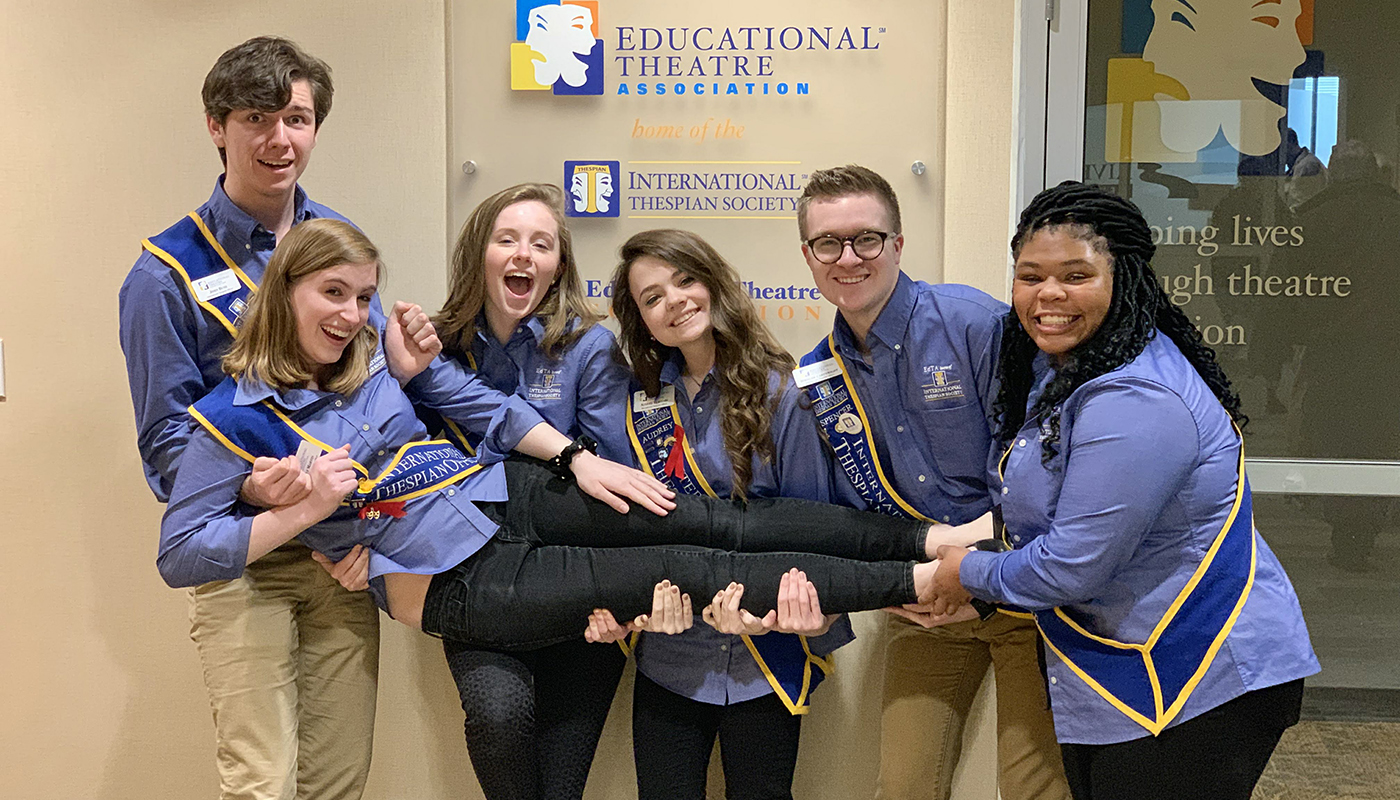
A strong theatre program doesn’t end when the curtain falls, but instead extends into leadership, recognition, and a sense of belonging. The International Thespian Society (ITS), an honorary organization for theatre students, offers a powerful structure to support and celebrate student achievement in the performing arts. Founded by the Educational Theatre Association (EdTA), ITS is recognized internationally with over 13,000 participating charters, and provides a vital co-curricular framework that enhances any school theatre program.
Scaffolding Across Grade Levels

Effective theatre programs are scaffolded across grade levels to ensure that students develop artistic understanding, technical proficiency, and creative confidence through a purposeful sequence of learning. Comprehensive curricula are informed by recognized theatre education standards and frameworks, including the National Core Arts Standards (NCCAS), the American Alliance for Theatre & Education (AATE), the Educational Theatre Association (EdTA), the International Baccalaureate (IB) Theatre curriculum, and comparable national or regional arts standards. Together, these frameworks emphasize the interconnected processes of creating, performing, responding, and connecting while encouraging authentic, developmentally appropriate learning experiences.
In the middle grades, students establish a foundation through ensemble building, creative drama, storytelling, acting fundamentals, and introductory stagecraft. As students mature, instruction expands to include script analysis, directing, playwriting, design, technical theatre, dramaturgy, and theatrical leadership. Increasingly sophisticated productions and performance opportunities reinforce classroom learning while preparing students for advanced secondary study, university theatre programs, and lifelong engagement in the performing arts.
International schools frequently adapt these standards to reflect their own curricular frameworks and cultural contexts. Many align with the International Baccalaureate (IB) Theatre programme, Cambridge International curricula, national arts standards, or host-country educational requirements. Theatre instruction is often integrated with language arts, humanities, world languages, and interdisciplinary learning, enabling students to explore culture, identity, social issues, and global citizenship through performance while participating in regional and international festivals, workshops, and collaborative exchanges.
Examples of Effective Theatre Programs
Strong theatre programs can be found in a wide variety of educational settings around the world. While each reflects its own mission and curriculum, they share a commitment to artistic excellence, student leadership, and experiential learning.
- Interlochen Arts Academy (USA): Conservatory-style training in acting, directing, design, and production alongside a rigorous academic curriculum.
- United World College South East Asia (Singapore): Student-centered theatre grounded in the International Baccalaureate, emphasizing devised performance, collaboration, and global perspectives.
- British School Manila (Philippines): A progressive theatre curriculum integrating devised theatre, playwriting, and performance throughout the secondary years.
- Booker T. Washington High School for the Performing and Visual Arts (USA): Professional-level conservatory training within a public magnet school environment.
- Munich International School (Germany): An IB Theatre program emphasizing collaborative creation, production, and participation in international theatre festivals.
- Western Academy of Beijing (China): An interdisciplinary theatre program integrating performance, technical theatre, design, and digital technologies.
- Victorian College of the Arts Secondary School (Australia): Conservatory-style theatre education aligned with the Victorian Curriculum and VCE, emphasizing studio practice, performance, and artistic inquiry.
Building for the Long Term
Designing a successful theatre program takes time, vision, and collaboration. It requires input from faculty, leadership, and students and must reflect the unique values and aspirations of the school. Investing in thoughtful curriculum design creates meaningful opportunities for student growth, expression, and leadership. When theatre education is intentional and well-supported, the art form becomes more than performance. It is a catalyst for identity, empathy, and transformation, framed within the necessary journey of creative collaboration, a keystone for any thriving Theatre program where students create something bigger than themselves, together.
Theatre is a journey — one of discovery, expression, and growth. Building or revitalizing your school’s program with intention, ensures that your students gain meaningful experiences that nurture creativity, confidence, and global citizenship.
Let’s work together to shape a theatre curriculum that truly makes a long-lasting impact on your students and school community alike.
I’m here to help
Send me an email to schedule a consult. I’ll design a proposal that fits your needs. Consults are free.


